Town Board Opposes State Tax Restrictions
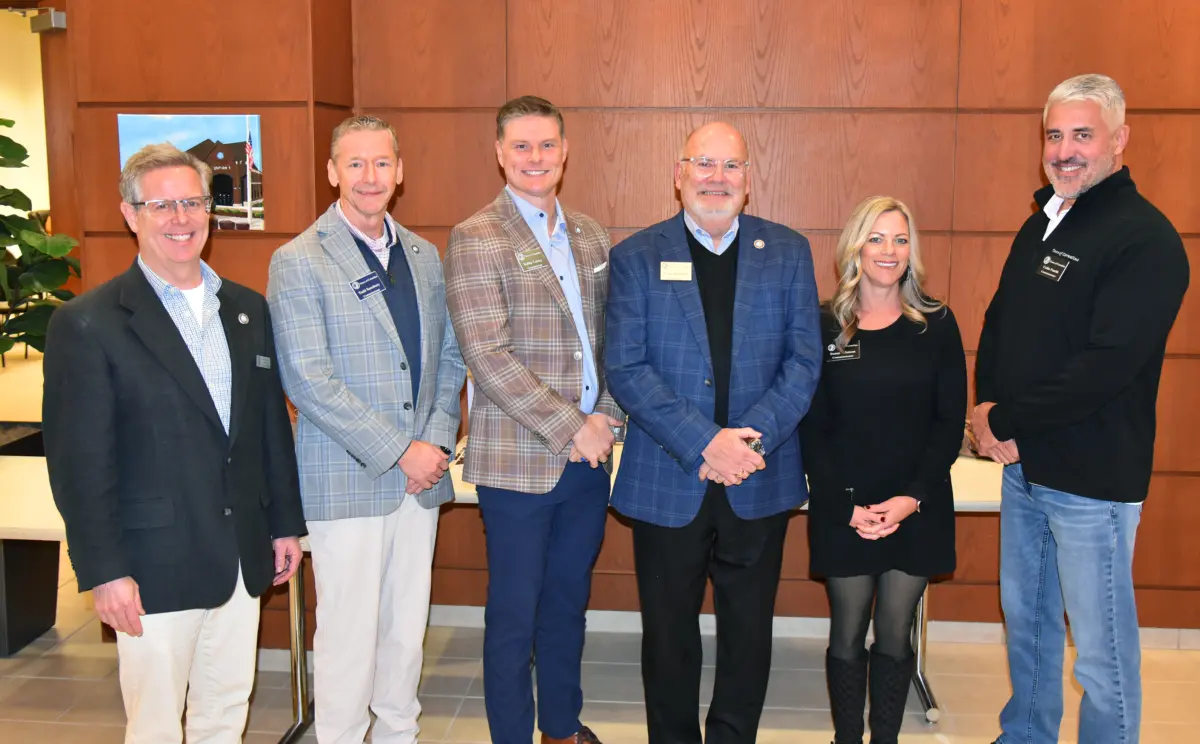
From left, Commissioners Michael Osborne, Todd Sansbury, Robert Carney, Denis Bilodeau, Susan Johnson and Colin Furcht
Editor’s note: this story has been updated to reflect the House approving the bill on Wendesday after publishing.
The Cornelius Town Board on May 18 adopted a resolution opposing any effort by the N.C. General Assembly to limit the ability of local governments to set their own property tax rates.
The action came prior to the state house on Wednesday approving House Bill 1089, which would place restrictions on how much municipalities and counties could raise property taxes without voter approval. Supporters of the proposal say it would provide taxpayers with greater protection against large tax increases, while opponents argue it would reduce local control and make it more difficult for towns to fund essential services.
Cornelius officials said the proposal could have significant impacts on the town’s ability to respond to growth and maintain services such as police, fire protection, parks and transportation improvements.
The town’s 2026 Legislative Agenda specifically asks state lawmakers to reject any legislation that would take away local taxing authority.
The resolution approved by the board states that limiting local property tax authority “will not reduce the need for services, but will reduce the ability for the Town to provide them effectively.”
Mayor Denis Bilodeau also recently sent a letter to state Sen. Vickie Sawyer, Sen. Mujtaba Mohammed and Rep. Beth Helfrich outlining the town’s concerns about the legislation and urging lawmakers to preserve local control over tax decisions.
Helfrich voted against the bill this week.
“Property taxes are a real pain point for many North Carolinians, including those I serve, and we can and should consider commonsense reforms that help people manage rising costs,” she said. “I’m also generally supportive of referendums because they give voters a direct voice.”
“That said, I’m wary of state actions that make it harder for towns and counties to plan responsibly or respond to new challenges. The proposed Constitutional Amendment, as written, would not reduce anyone’s property taxes; it would only require the General Assembly to set limits later, which is something we already have the power to do.”
Huntersville and Davidson have not taken formal votes on the measure.
Our Partners